By: Jeremy Hoffman
A fall game plan for next spring: smarter small tools, a bug-spray trick borrowed from Disney World, and — when the season winds down — a quiet machine that grinds the tired bed back into the soil it came from.
Start with your own two hands — and better shears
The best fall garden tool of the last few years fits in one hand. Battery-powered garden shears have quietly replaced the wrist-burning manual kind: no cord, no gas, feather-light, and strong enough to walk a whole bed of spent perennials, woody herbs, and leggy shrubs in an afternoon without a single blister.
Here’s the trick that pays twice: don’t bag what you cut. Let the trimmings drop right where they fall — gardeners call it “chop and drop.” That layer of clippings is instant mulch: it shades the soil, holds moisture, and breaks down over winter into exactly the nutrients next year’s plants are waiting for. The bed feeds itself with its own leftovers, and you never buy a yard-waste bag.
The garlic trick (ask Disney)
While you’re out there, borrow a page from the most bug-free place in Florida. Walt Disney World famously keeps its parks nearly mosquito-free without drenching them in harsh chemicals — and one of its quietest weapons is garlic. The resort sprays a liquid garlic extract around its grounds as part of a legendary mosquito program that also runs carbon-dioxide traps and even keeps “sentinel chickens” whose health is monitored to detect trouble early. The garlic scent is too faint for guests to notice — but mosquitoes despise it.
The home version is cheap and easy: a garlic spray concentrate from the garden center (or crushed cloves steeped in water, strained into a sprayer) misted over beds, borders, and shady mosquito hangouts every week or two, and again after heavy rain. It won’t harm plants, pets, or pollinators going about their day — it just makes your garden smell, to a mosquito, like the one place in the county not worth visiting.
Then let the big teeth finish the season
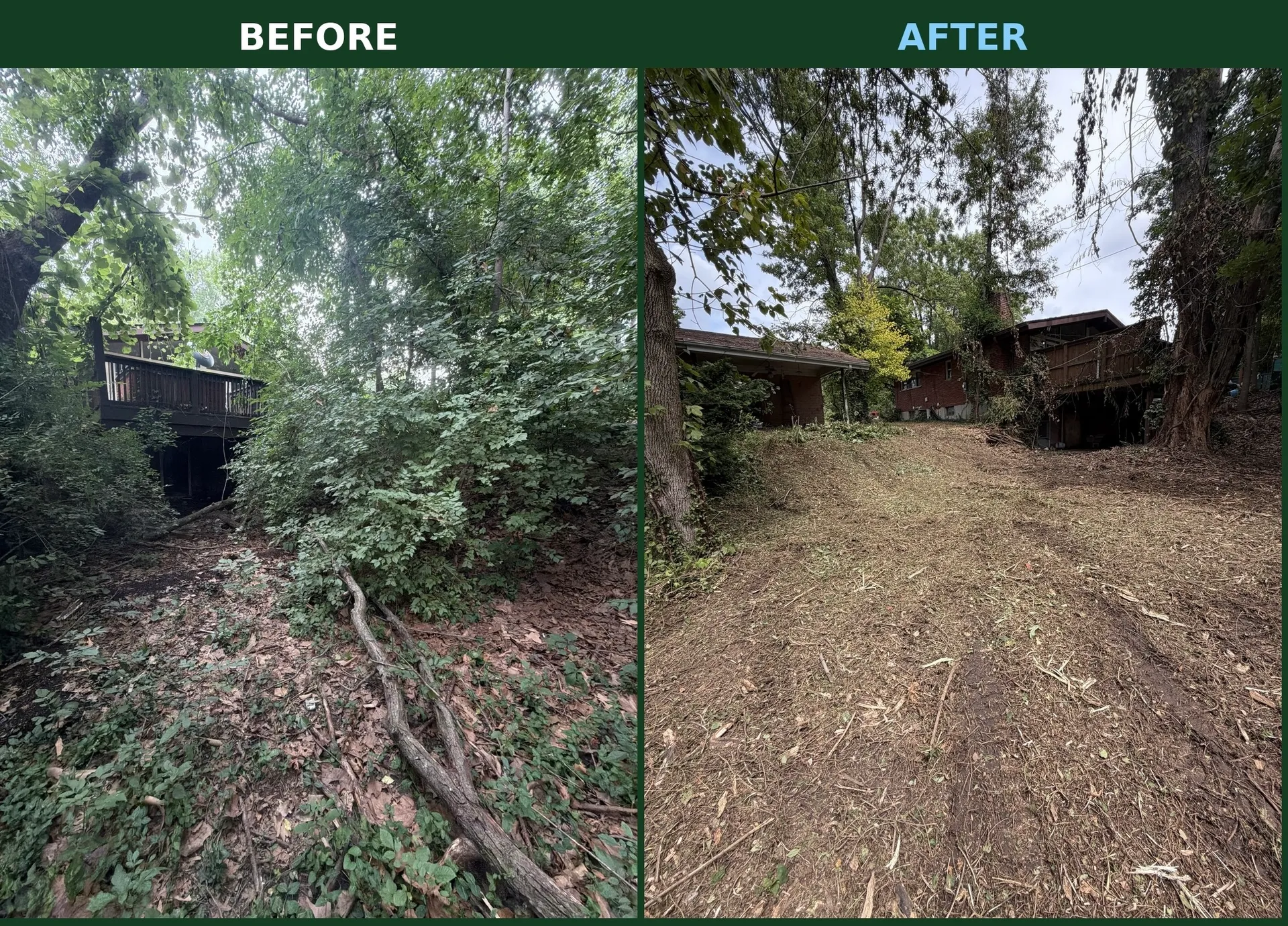
Shears and sprays carry a garden through fall. The reset comes at the end of the season — and this is where a professional land-clearing crew does in an hour what a weekend of pulling and hauling can’t. Blue Skies Clearing Land Management runs a 48-inch forestry mulcher head on a stand-on skid steer just 36 inches wide — it rolls through a standard garden gate. Instead of ripping out the tired bed, paying to haul the waste, and buying new plants into stripped soil, the mulcher grinds the season’s growth down into the bed itself. Leaf piles and fall debris go the same way: shredded fine, spread even, already composting.
All winter, that layer quietly becomes food. By the time you’re holding a seed catalog in February, the bed you thought was finished is the best-fed ground on the property — no bags, no burn pile, no hauling fee, and because mulching disturbs no soil, no city or state permits either. One free call to 811 marks the utilities, and the work is done between breakfast and lunch.
When the job is bigger than a bed
“You’re not clearing the land — you’re feeding it.”
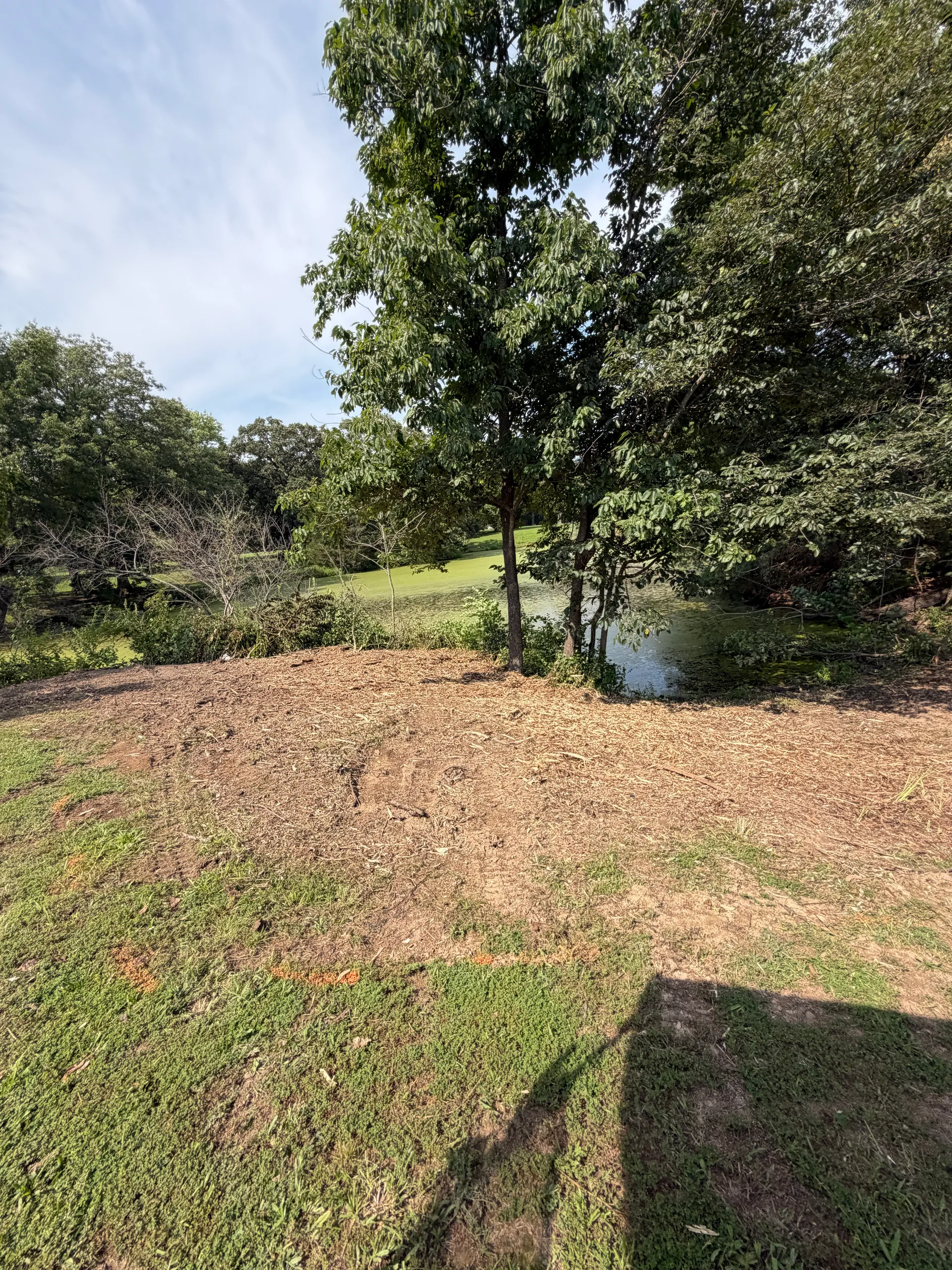
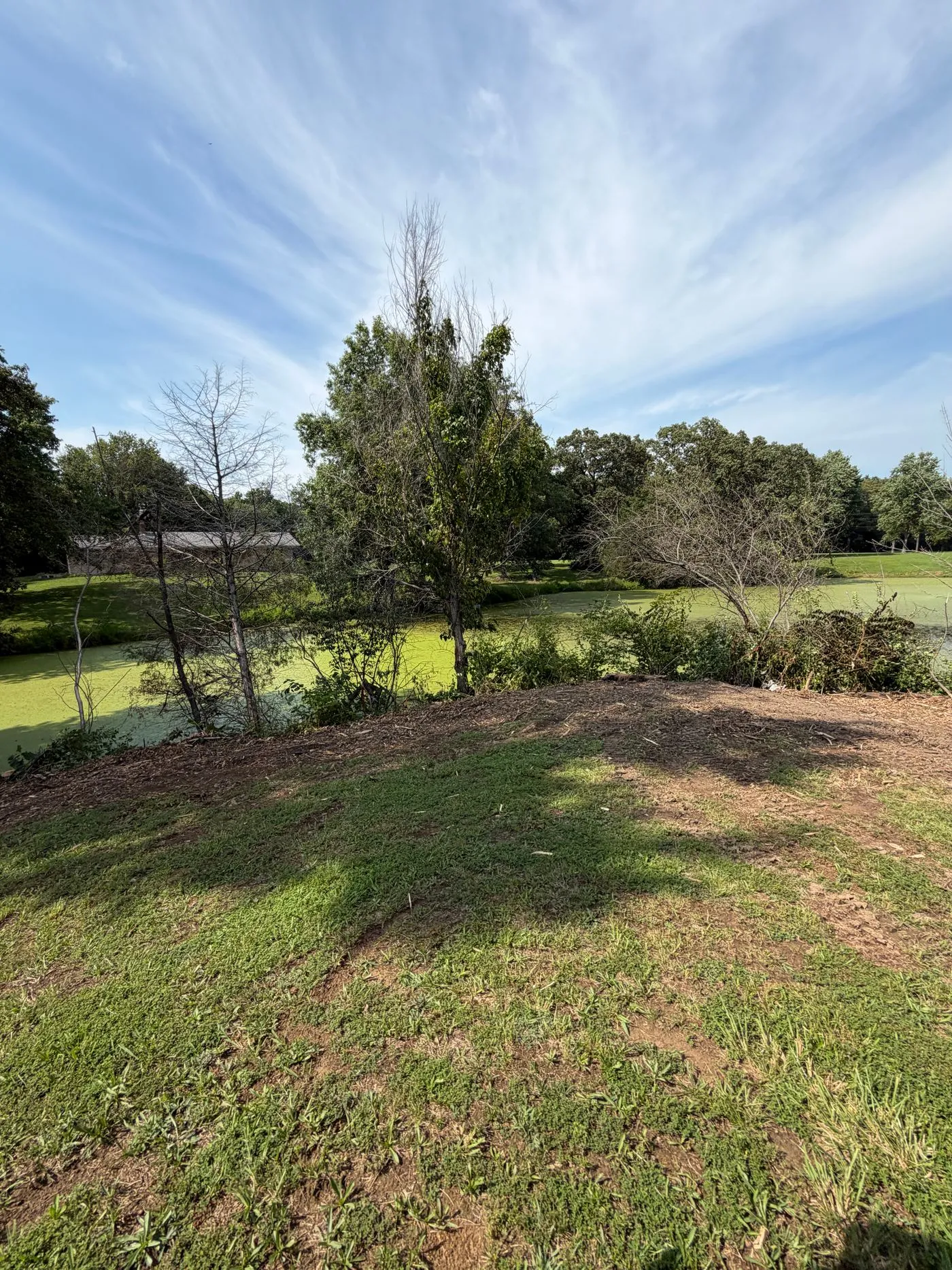
The same idea scales to acreage. Forestry mulching can cut walking trails through overgrown ground, open up lake views that vines and volunteer saplings have stolen — the water is usually still there, just hidden — and clear shooting lanes and access on hunting land. Because everything is mulched in place, there’s no scraped-bare dirt, no erosion, and no season-long disruption that pushes wildlife away: the ground keeps its cover and its moisture, and nature moves back in behind the machine. And when the mulch settles, the finished ground is lawn-friendly — maintainable afterward with nothing more than a regular mower. Lake houses, hunting getaways, back forties — reclaimed one day at a time, with fall and winter the prime season while growth is dormant.
About The Author
Jeremy Hoffman is the manager of Blue Skies Clearing Land Management, a local, veteran-operated and fully insured company specializing in forestry mulching, land clearing, trails, lakefronts, stump removal and residential property cleanup. The company is headquartered out of the Commons in New Town.
For pricing and more info visit www.blueskiesclearing.com
(314) 705-5011 [email protected]
Photo captions:
END OF SEASON: Before: a bed full of spent growth and woody leftovers.
THE RESET: After: the same ground, mulched down in place — winter does the composting.
HIDDEN WATER: Before: overgrowth swallowing a pond edge on a working property.
GROUND, GIVEN BACK: After: a fresh carpet of mulch where the brush stood.
BEFORE: the same property, choked in brush a machine width at a time.
AFTER: mulched smooth — this ground can be mowed with a regular lawn mower.