By: Tawni Ferrarini
This summer I spent five weeks traveling through seven countries in Central Asia and Eastern Europe. I met with teachers, students, entrepreneurs, university professors, government leaders, and families, and we talked about inflation, housing, investment, jobs, and the future.
Then I returned home to New Town—and heard many of the same conversations.
Despite different circumstances, people everywhere are asking similar questions: Can you believe prices are so high? Can I afford a home? Will my children have better opportunities than their parents? How do I make smart decisions in an uncertain economy? Those aren’t just global concerns—they’re local ones.
The economy can feel distant, something shaped on Wall Street or in Washington. In reality, it shows up in everyday life: grocery or gas prices, hiring challenges at local businesses, the cost of a vacation, or your mortgage rate. Global trends eventually reach our front porches.
One clear trend is that uncertainty has become costly. Markets hate it. People despise it. Businesses delay hiring, families postpone major purchases, new college graduates wait longer to leave home, and young families postpone buying homes. Individually these choices seem small, but together they slow economic momentum.
At the same time, technology—especially artificial intelligence—is reshaping work faster than many expect. Some jobs will disappear, many will evolve, and those who adapt and keep learning will be best positioned to succeed. Yes, others will be left behind – if they choose to not skill up.
Another, quieter shift is happening as well. As we become more globally connected, we increasingly value strong local ties. After traveling abroad, I returned with a deeper appreciation for New Town’s front porches, parks, and gathering spaces—not just as amenities, but as economic strengths.
Communities where people know and trust one another attract businesses, support entrepreneurs, and recover more quickly from setbacks. Relationships create opportunity—through conversations, recommendations, and shared efforts that strengthen the local economy.
That perspective also renewed my appreciation for small businesses. Whether in North Macedonia or Kazakhstan, I saw entrepreneurs facing familiar challenges: rising costs, labor shortages, and changing expectations. Here in North St. Charles, our small businesses face the same pressures—and they rely on communities that recognize their value and appreciate their services enough to pay for them.
Every dollar spent locally circulates in ways we often overlook, supporting jobs, other businesses, and the character that makes places like New Town unique.
I also returned with a broader perspective on opportunity. Across my travels, people expressed admiration for the freedom Americans have to build independent businesses, pursue new entrepreneurial paths, and create better lives based on personal preferences. It’s easy to focus on current frustrations with politics, social change, and economic uncertainties and overlook that advantage.
Yes, housing is expensive. Prices remain elevated. Uncertainty is real. But uncertainty also creates opportunity for those prepared to act.
For families, that means investing in education early, saving regularly, and planning for resilience. For professionals, it means embracing lifelong learning. For business owners, it means identifying unmet needs rather than waiting for perfect conditions. And for all of us, it means recognizing that strong, well-diversified local communities remain one of America’s greatest strengths.
The next time you walk through New Town, take a moment to notice the shops, small businesses, parks, lakes, and front porch conversations. These aren’t just signs of a pleasant neighborhood—they’re the foundation of a thriving economy.
After five weeks in seven countries, I came home convinced of something simple: understanding the global economy begins by paying closer attention to the community right outside our front door. Learn more about your community and how to connect with local businesses, entrepreneurs, investors, and volunteers by visiting The Commons.
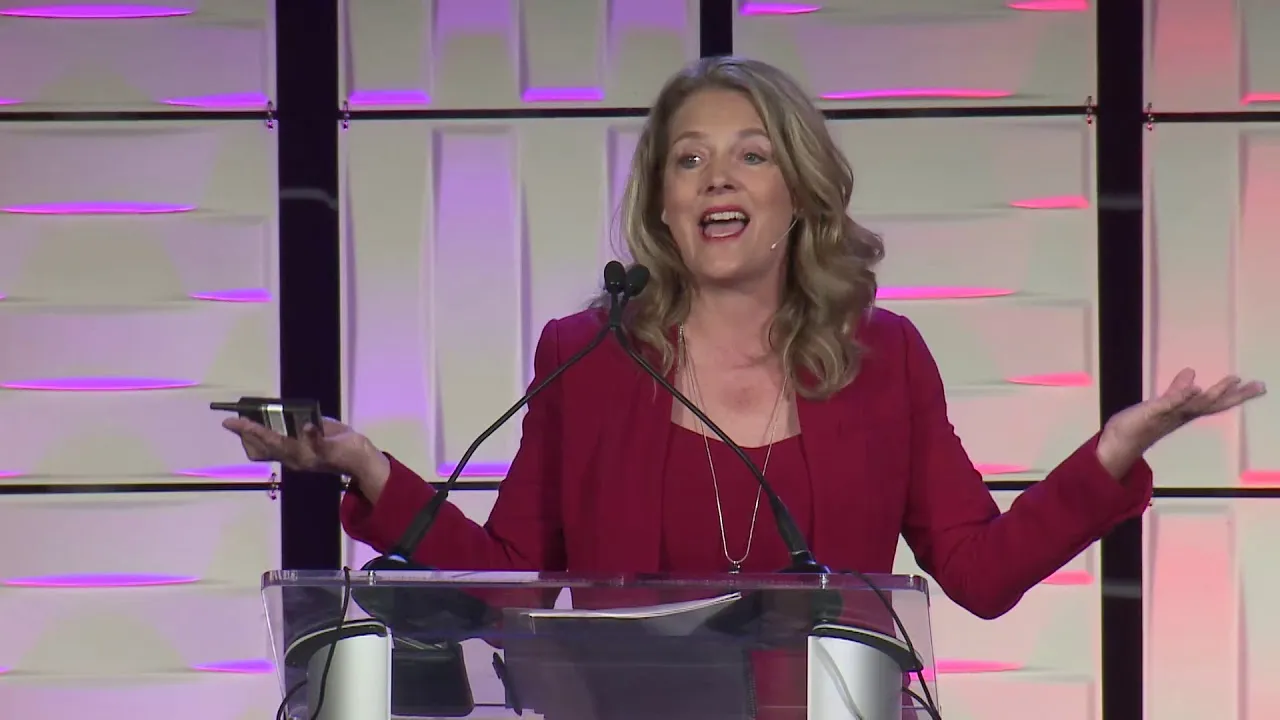
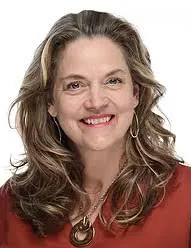
Tawni Hunt Ferrarini, Ph.D., is an internationally recognized economist, educator, consultant, and author who serves on the Missouri State Board of Education following her gubernatorial appointment. An accomplished keynote speaker and workshop leader, she has published extensively in economics, education, and technology journals. She is co-author of Common Sense Economics, Teachers Can Be Financially Fit, and Economic Episodes in American History. Dr. Ferrarini earned her doctorate in economics from Washington University in St. Louis. A proud NTxConnect member, she uses The Commons as her home office between speaking and consulting engagements. Learn more at tawni.org.