Written by Nicholas Evans
As summer temperatures rise and school routines fade into the background, parents everywhere face the same challenge: how do we keep children healthy, active, and safe during the hottest months of the year?
Between increased screen time, fewer structured physical education opportunities, and extreme heat conditions becoming more common, childhood wellness has become more important than ever. Yet the answer is not complicated. Children need movement, hydration, nutrition, and—most importantly—they need to enjoy the process.

According to health and fitness recommendations, children should engage in regular physical activity daily to support cardiovascular, muscular, and emotional health. Experts generally recommend a combination of moderate and vigorous activity throughout the week, with consistency being far more important than intensity alone. Once a child consistently exceeds approximately 250 minutes of physical activity weekly, endurance, coordination, and overall athletic performance can begin improving more noticeably over time.
The concern is that many schools have gradually reduced or nearly eliminated quality physical education programming. Recess periods have shortened, organized movement opportunities have decreased, and many children are now spending more time indoors than any generation before them. Summer becomes one of the few opportunities where children can truly reconnect with movement naturally—through biking, swimming, sports, dancing, outdoor games, hiking, and family activities.
But activity alone is not enough. Hydration and heat safety are now critical conversations for parents, coaches, and caregivers.
One of the biggest misconceptions about children exercising in the heat is assuming their bodies regulate temperature the same way adults do. They do not. Children process heat differently because of their smaller muscle mass and developing physiological systems. Kids actually sweat and regulate heat at slower rates than adults, making them more vulnerable to overheating during extended outdoor activity.
Because of this, caregivers must pay close attention to warning signs of overheating rather than waiting until a child says they feel sick.
Parents should monitor a child’s skin appearance closely. In lighter-skinned children, overheating often causes visible flushing or redness as blood rises to the skin’s surface in an attempt to release heat.
Caregivers should also monitor speech patterns and coordination. If a child becomes confused, develops slurred speech, struggles to communicate clearly, or suddenly becomes lethargic, immediate action is necessary. Move the child into a cooler environment, begin cooling measures, and hydrate immediately.
Hydration itself is one of the most overlooked aspects of youth wellness. Active children lose fluids rapidly during summer play, sports, and exercise. This does not mean children should wait until they are thirsty to drink water. Thirst is often a delayed signal, especially in active kids who become distracted while playing.
Instead, hydration should be proactive. Parents should encourage children to drink fluids before activity begins, during activity breaks, and after movement ends. Water-rich fruits such as watermelon, oranges, strawberries, and cucumbers can also help support hydration naturally while providing vitamins and minerals essential for recovery and growth.
The challenge many families face is that wellness has become overcomplicated. Social media often pushes unrealistic fitness standards, rigid diets, or intense workout programs that simply are not appropriate for children. Kids do not need to train like professional athletes to become healthy. They need consistency, encouragement, and positive experiences around movement and nutrition.
This is where modern coaching and fitness education play an important role. I believe childhood wellness should focus on sustainability and enjoyment first.
Children who associate exercise with punishment are less likely to stay active long-term. Children who associate movement with confidence, teamwork, achievement, and fun are far more likely to maintain healthy habits into adulthood.
Parents can help by making movement part of family culture instead of treating exercise as a chore.
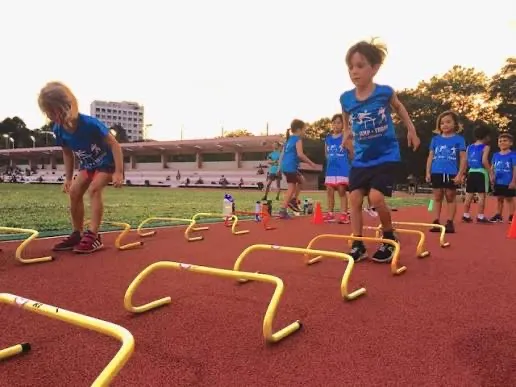
Evening walks, swimming days, dance challenges, sports clinics, obstacle courses, bike rides, and active vacations all create opportunities for children to move without feeling pressured. Even simple backyard games can dramatically improve coordination, cardiovascular health, and emotional well-being.
Nutrition follows the same principle. Healthy eating should not feel restrictive. Children benefit most from balanced meals that include lean proteins, fruits, vegetables, healthy carbohydrates, and hydration-rich foods. Instead of labeling foods as good or bad, families should focus on moderation and education. Teaching children why nutrition matters builds healthier relationships with food than strict dieting ever will.
Mental health also deserves attention during conversations about physical wellness. Exercise is strongly connected to improved mood, emotional regulation, stress reduction, confidence, and sleep quality in children. Summer activity can help reduce anxiety, improve focus, and create healthier social interactions during a season when many children lose daily structure.
Ultimately, the goal is not perfection—it is participation.
Children do not need elite training programs to become healthier. They need opportunities to move, supportive adults who prioritize wellness, and environments that make healthy living enjoyable.
The healthiest children are not necessarily the fastest or strongest. They are the ones who learn early that caring for their body can be exciting, empowering, and fun.
Nicholas Evans is with Helix Performance & Science and a member of NTxConnect with an office at The Commons. His background includes fitness, nutrition, and performance coaching with a focus on sustainable wellness and health education.